

Payloads
siRNA, sgRNA and ASO transfection
Small interfering RNA (siRNA), single guide RNA (sgRNA), and antisense oligonucleotides (ASOs) are powerful nucleic acid-based tools that enable precise modulation of gene expression and genome function.
siRNA molecules exploit the endogenous RNA interference (RNAi) pathway to selectively silence gene expression through targeted mRNA degradation, making them widely used for functional genomics, disease modeling, and target validation studies. In addition, siRNA libraries are routinely employed in high-throughput screening (HTS) campaigns to identify genes involved in specific cellular phenotypes, supporting both hit discovery and target identification workflows.
sgRNAs are an essential component of CRISPR-based genome editing systems, directing nucleases to specific genomic loci and enabling precise gene knockout, knock-in, or gene correction strategies. ASOs are single-stranded nucleic acids that bind complementary RNA sequences to promote RNA degradation, alter splicing patterns, or block translation, providing a versatile approach for regulating gene expression.
Together, these technologies have become indispensable tools for gene function studies, disease modeling, cell engineering, target identification, and next-generation screening applications.
Efficient Cytosolic Delivery with LumiPore®
The successful application of these molecules depends on efficient intracellular delivery. However, nucleic acids are inherently challenging to deliver due to their negative charge, and susceptibility to degradation, resulting in poor cellular uptake.
The LumiPore platform addresses these challenges through a gentle photoporation mechanism that enables efficient cytosolic delivery of siRNA, sgRNA, and ASOs while minimizing cellular perturbation. By combining high delivery efficiency with excellent cell viability and functionality, LumiPore supports reliable gene silencing, gene editing, and splicing modulation across a wide range of cell lines and primary cells, including sensitive and hard-to-transfect cell types.
Moreover, its scalability and compatibility with multiwell plate formats make LumiPore particularly attractive for high-throughput screening workflows, where robust delivery, reproducibility, and preservation of cellular phenotype are critical for generating high-quality datasets.
Validation & Datasets
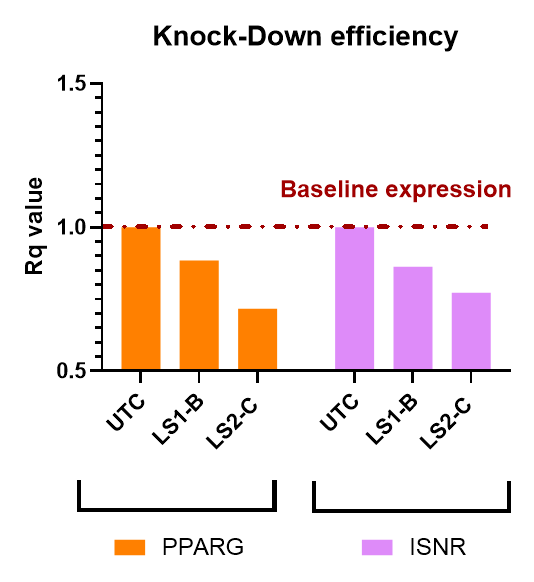
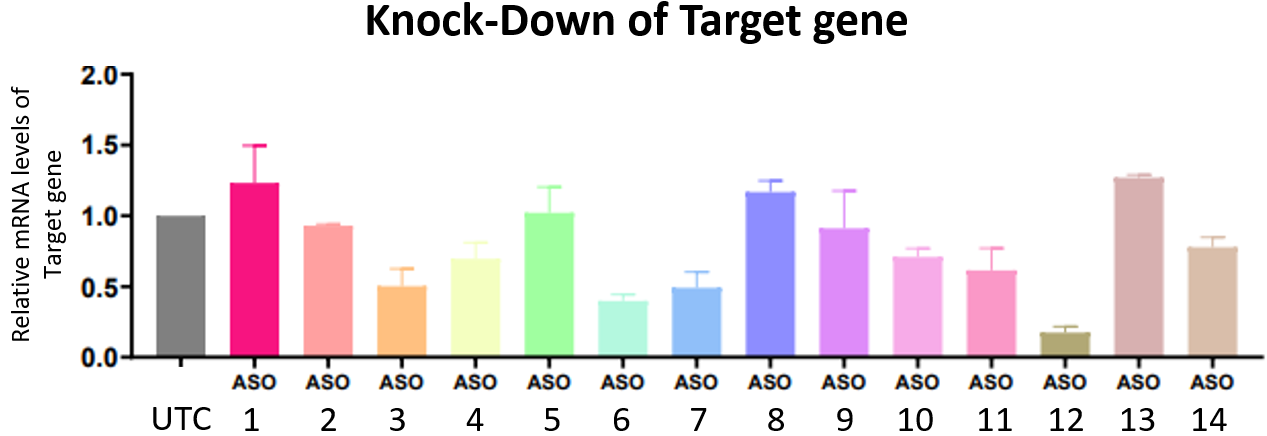
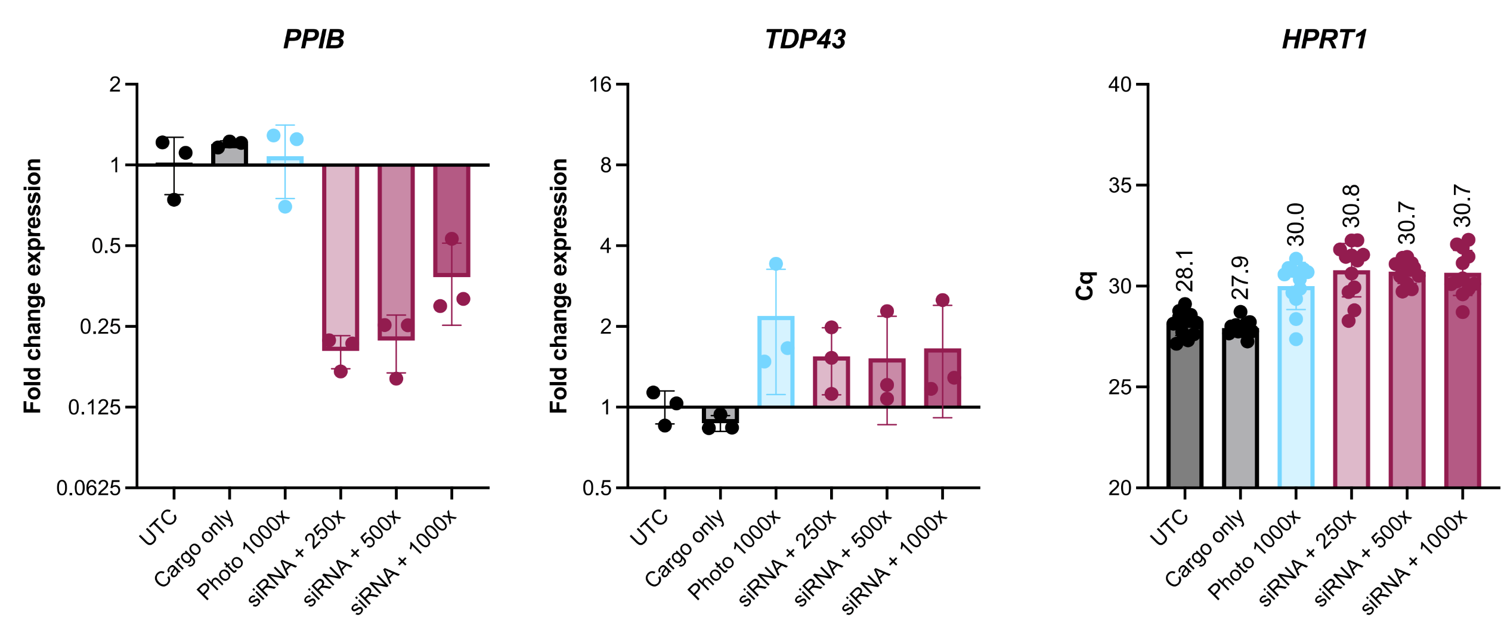
The following sections present representative examples of siRNA, sgRNA, and ASO delivery achieved with the LumiPore platform. These datasets, generated and validated in collaboration with research partners and customers, demonstrate the versatility of LumiPore for gene modulation, genome engineering, and screening applications. Additional experimental details, validated protocols, and application-specific recommendations can be found in the corresponding sections below.
High-Throughput Transfection.Automation-Ready.
Seamless integration into your existing robotics workflows. No media exchange required. From R&D suspensions to clinical nanofiber structures.